
FINESIS, behavioural customer segmentation

Gain a detailed understanding of your customers’ behaviours and preferences to identify key levers for building loyalty.

Unlock your customers’ full potential

Effective customer marketing relies on a deep understanding of who your customers are, and knowing their needs, expectations, and future potential. The better you understand their behaviours and anticipate their preferences, the more effectively you can build a lasting, high-impact loyalty strategy.

With Finesis, you can gain clear, actionable insights to support tailored, results-driven decision-making.

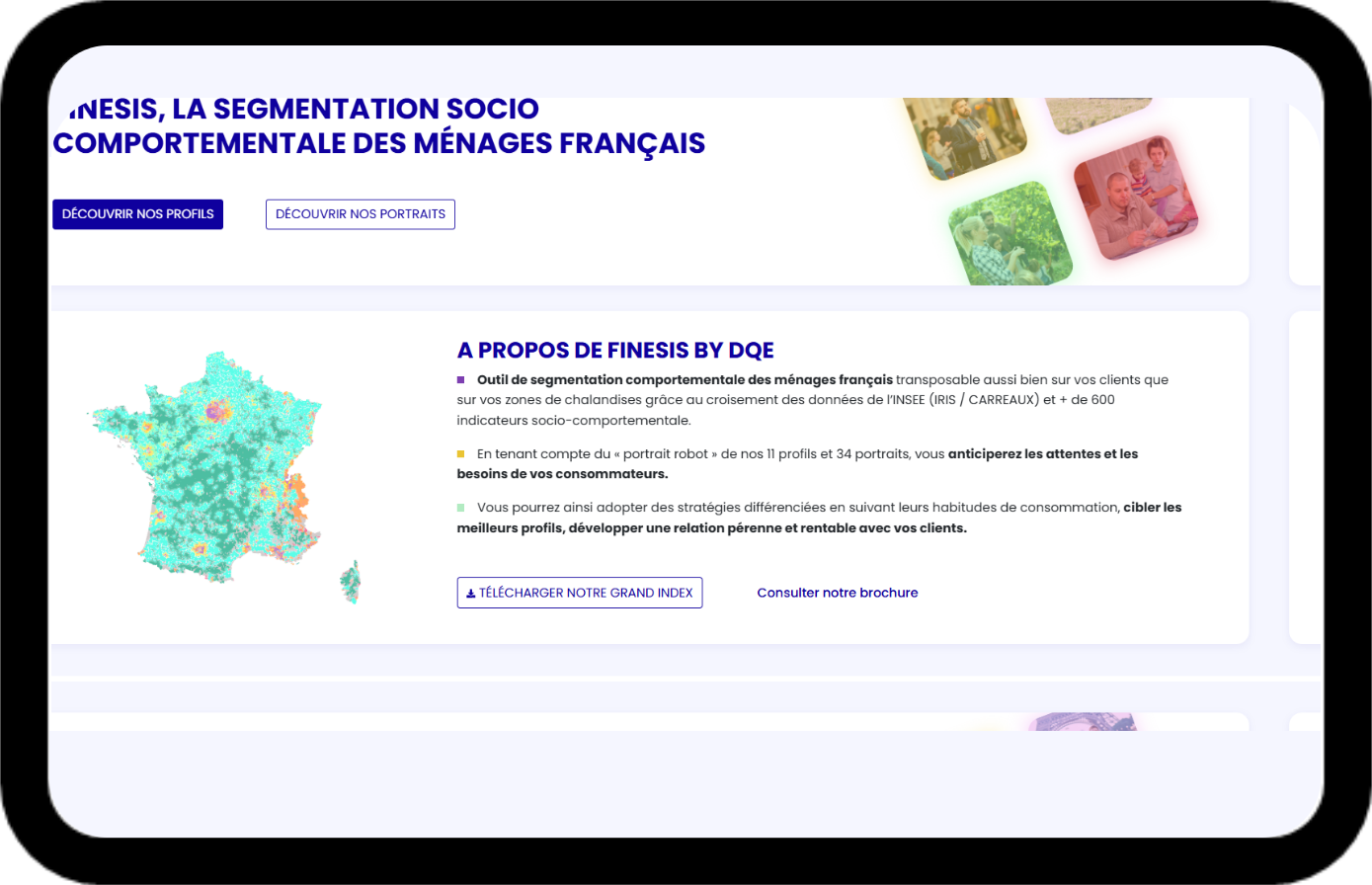
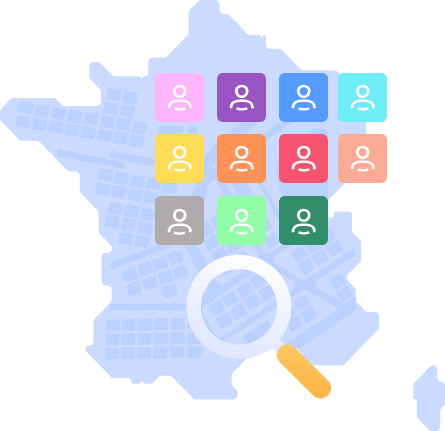
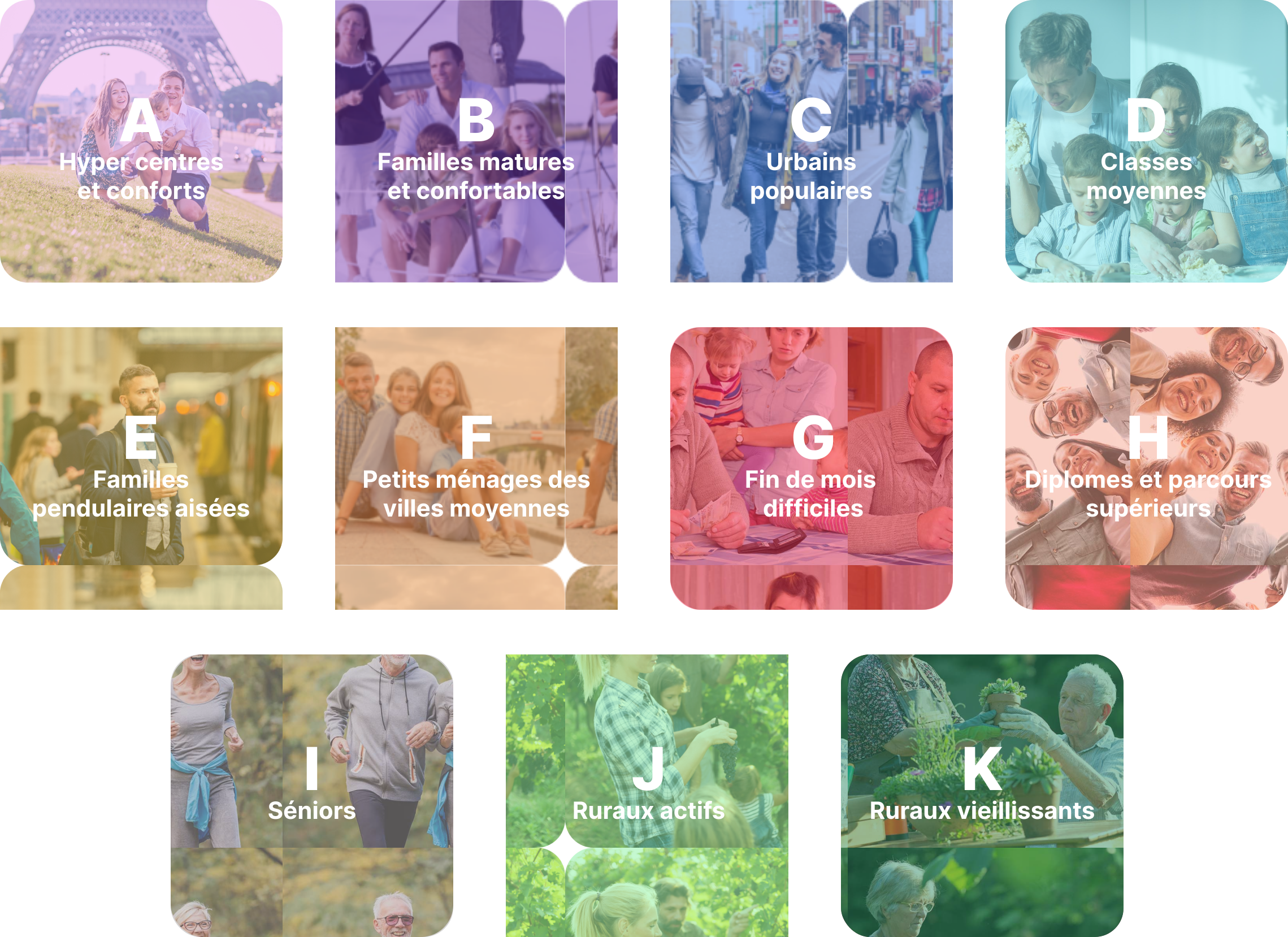
Our socio-behavioural segmentation of French households (11 profiles and 34 Finesis personas) gives you a detailed, precise understanding of your customers’ behaviours. This helps you identify exactly which tools to use to build loyalty and realise their full potential.

Why you should segment your customer database with Finesis

Identify your core target and anticipate behaviours
Adopt
a differentiated strategy

Increase customer value and build loyalty
SOLUTION

Finesis behavioural segmentation: 11 profiles and 34 personas

Finesis provides behavioural insights about your customers that go beyond your internal data, helping you understand their needs and development potential.

The Finesis offer enhances your understanding of your customers and their behaviour, helping you achieve a 360-degree view that reflects the complexity of today’s consumers and the diversity of consumption channels.

Finesis is a powerful solution for directly activating your various customer segments by leveraging the most effective triggers during your marketing campaigns.

The Finesis portal: gain a clear understanding of your customers

An intuitive and user-friendly platform that allows you to analyse and understand your customers’ expectations and behaviours using over 1,000 socio-behavioural indicators.

Finesis behavioural segmentation integrated into your CRM environment

Finesis enrichment is applied directly within your CRM system to your contacts (customers, prospects, churned customers, etc.).

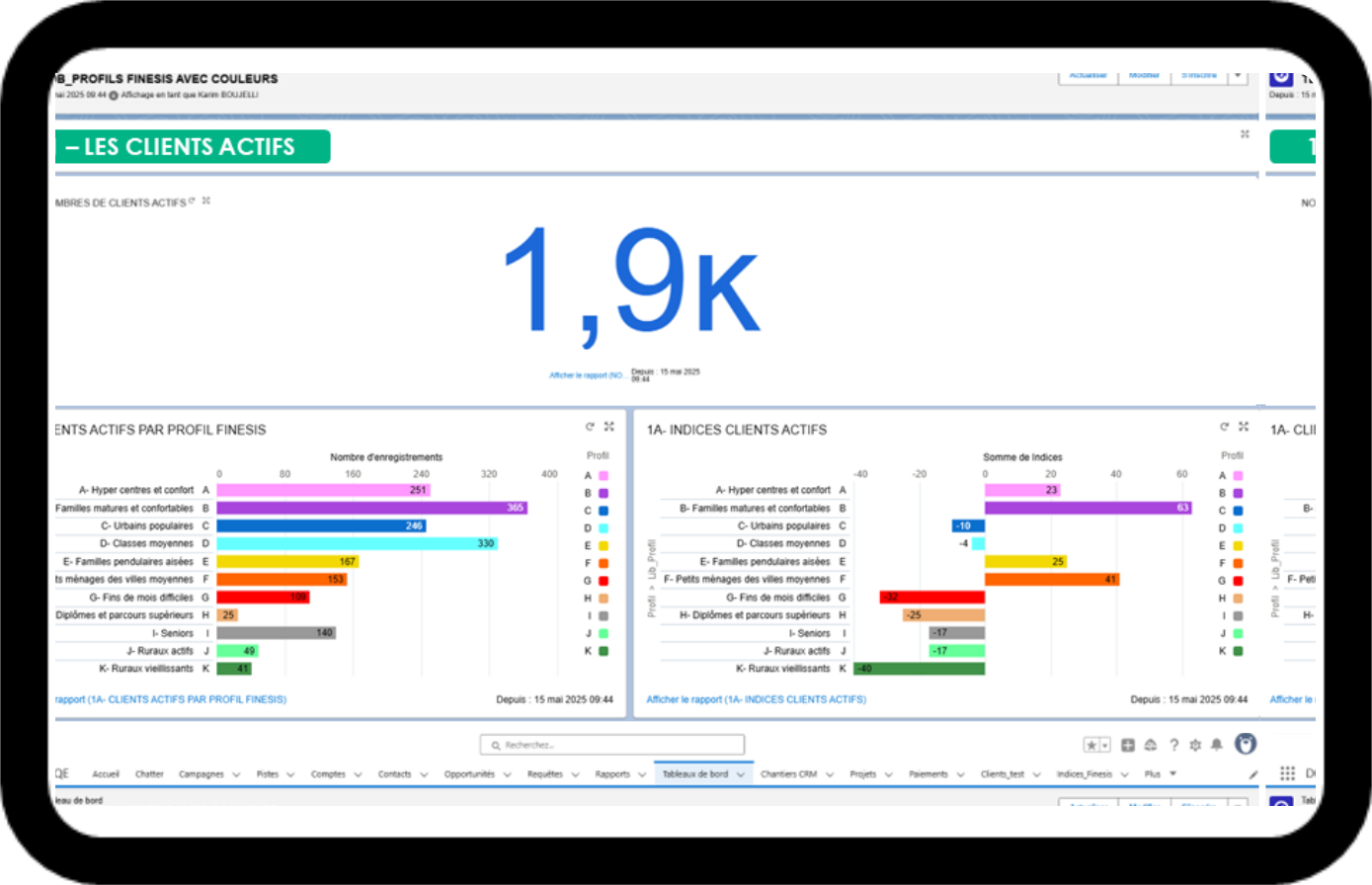
Dashboards are automatically generated in your CRM system (Salesforce or other platforms) to give you a clear view of your core target, purchasing behaviours, and more.

Relevant targeting indicators are available to help you launch effective marketing campaigns.

Benefits of Finesis

Increase customer
value

Understand and target each customer with the right offer through the right channel

Improving customer
experience

Design relevant multichannel interactions
Recruit
effectively

Run prospecting campaigns targeting affinity-based Finesis segments

Optimise
budgets

Allocate and distribute your marketing spend and resources more efficiently

FAQ

Demographic segmentation groups customers by observable characteristics — age, gender, income bracket, location. Behavioural segmentation groups them by how they act: purchasing patterns, brand loyalty, channel preferences, lifestyle choices, and spending habits. Behavioural segments are typically more predictive of future behaviour because they reflect revealed preferences rather than assumed ones. A 45-year-old in a city and a 45-year-old in a rural area may have very different consumption profiles — demographic data alone would treat them the same; behavioural data would not. 

Socio-behavioural data combines social characteristics (household composition, urbanity level, life stage) with behavioural indicators (purchasing habits, consumption patterns, channel affinity, sensitivity to promotions) to build a richer profile of an individual or household. It is typically derived from large-scale consumer panels, transaction databases, and household surveys, then modelled at a geographic level — often down to the postal code or iris unit — so that any address can be enriched with the profile of its surrounding population. DQE’s Finesis module uses this approach to segment households. 

Segmentation improves marketing ROI by enabling relevance: the right message, sent to the right person, at the right time, through the right channel. Without segmentation, a single campaign is sent to all contacts regardless of their likelihood to respond — wasting budget on uninterested recipients and potentially alienating customers with irrelevant offers. With behavioural segmentation, campaigns can be targeted at the segments most likely to convert, and messages can be tailored to the specific motivations and preferences of each group. The result is higher open rates, better conversion, lower unsubscribe rates, and more efficient spend. 

A customer persona is a semi-fictional representation of a key customer type, built from aggregated data about real customers. It typically includes behavioural traits (what they buy, how often, through which channel), attitudinal data (what they value, what motivates them), and contextual information (life stage, household type). Data-driven personas are built by clustering customers into segments with similar profiles — using techniques like k-means clustering or decision trees on transaction and enrichment data — and then characterizing each cluster. Unlike intuition-based personas, data-driven ones reflect actual customer behaviour and can be updated as the data evolves. 

Address-based enrichment works by linking a customer’s postal address to third-party data that describes the characteristics of that address’s location. At the postal code or micro-geographic level, it is possible to attach data about the local population’s socio-economic profile, urbanity, household composition, and purchasing habits. Even without knowing anything else about a customer, their address can provide a useful behavioural signal. This technique is particularly valuable when a company has limited first-party data on a customer — for example, a new registrant or a one-time purchaser. DQE’s Finesis module applies this logic to enrich customer records with behavioural segmentation data derived from household profiles. 

Perform a search